How to Track Marketing Channels That Drive E-commerce Sales Effectively
Learn practical steps to track e-commerce marketing channels using UTM parameters, dynamic QR codes, and analytics for better sales insights.
FY9 Team · 30 October 2026
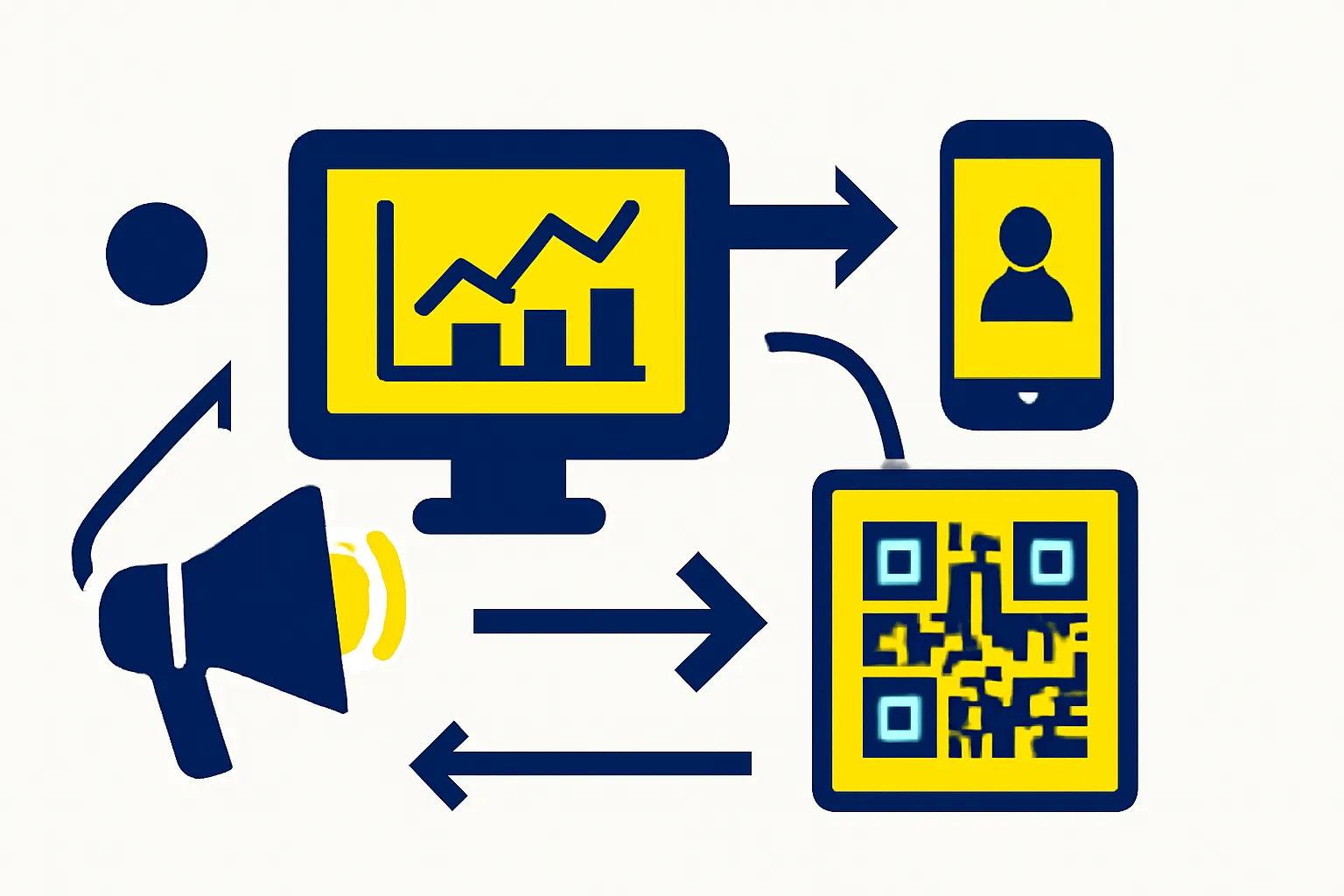
Key takeaways
- Tracking marketing channels accurately helps optimize ROI and budget allocation.
- Consistent use of UTM parameters and templates ensures clean, comparable analytics.
- Dynamic QR codes are effective for linking offline marketing to online sales.
- Regular analysis of clicks, conversions, and sales by channel guides informed marketing decisions.
- Avoiding tagging errors and auditing tracking setups maintain data integrity.
Understanding the Importance of Tracking Marketing Channels
Knowing where your e-commerce traffic comes from is essential to understand which marketing efforts generate sales and which do not. This insight allows you to allocate your budget effectively and improve your return on investment (ROI). Common marketing channels include paid advertisements, email campaigns, social media posts, influencer promotions, and packaging inserts like QR codes or discount flyers.
However, attributing sales accurately to the right channel can be challenging due to overlapping campaigns, multiple touchpoints, and offline-to-online customer journeys. Without proper tracking, you risk misjudging which channels work best.
Setting Up Consistent Tracking Using UTM Parameters
UTM parameters are tags added to URLs that help identify the source, medium, and campaign name of your traffic in analytics tools. For example, a link in a Facebook ad might have utm_source=facebook, utm_medium=paid, and utm_campaign=diwali_sale.
To keep your analytics organized, establish clear naming conventions for UTM parameters. Use lowercase letters, avoid spaces, and be consistent in naming campaigns and sources. This prevents fragmentation of data, such as having both “Facebook” and “facebook” as separate sources.
Consistent UTM tagging ensures that all traffic from different channels is tracked uniformly, improving the accuracy of your reports and enabling better comparison.
Applying UTM Templates to Campaign Links for Clean Analytics
Using predefined UTM templates lets you standardize how campaign links are tagged across all marketing channels. This means every link shared in an email, social post, or influencer promotion follows the same structure.
Applying these templates to every campaign link prevents errors and inconsistencies that can arise from manual tagging. It also simplifies your analytics by grouping data cleanly, making it easier to compare performance across campaigns and channels.
For example, a Pune-based café running a Diwali offer can use a UTM template that always includes utm_campaign=diwali_offer, utm_source for the channel, and utm_medium for the type of marketing. This approach helps them see which ads or social posts drive the most visits and sales.
Leveraging Dynamic QR Codes to Track Offline Marketing Efforts
Offline marketing remains important for e-commerce brands, especially local businesses. Placing QR codes on product packaging, inserts, or print ads can direct offline customers to online offers or product pages.
Dynamic QR codes are particularly useful because they allow you to change the destination URL without reprinting the code. For instance, the Pune café can print QR codes on their takeaway boxes linking to a special Diwali discount page. Later, they can update the URL to a new offer without changing the QR code itself.
Tracking how many times these QR codes are scanned provides data on the effectiveness of offline campaigns, enabling you to measure and compare their impact alongside digital channels.
Analyzing and Comparing Channel Performance Over Time
Key metrics to monitor include the number of clicks, conversion rates, and sales attributed to each marketing channel. By comparing these metrics over different periods, you can identify trends and seasonal effects.
Clean and structured data, enabled by consistent UTM tagging and QR code tracking, allows you to make informed decisions. For example, you might find that email campaigns generate more sales during festive seasons while influencer promotions perform better year-round.
Using platforms that support campaign comparison and analytics simplifies this process, helping you optimize your marketing spend and focus on the channels that deliver results.
Common Pitfalls and Tips for Accurate Channel Tracking
Inconsistent UTM tagging, such as varying parameter names or missing tags, can fragment your data and lead to inaccurate conclusions. Manual errors are common, so using templates or automated tools is recommended.
Ensure all marketing links, including those from influencers or affiliates, are properly tagged to capture their contribution.
Regularly audit your tracking setup to identify and fix broken or untagged links. This maintenance preserves data integrity and the reliability of your marketing analytics.
What to Do Next
Start by defining a UTM naming convention and applying it consistently across all your marketing links. Use a tool or platform that supports UTM templates and dynamic QR codes to streamline this process.
Track both online and offline channels by integrating QR codes with your campaigns. Monitor key metrics regularly and compare channel performance over time to refine your marketing strategy.
Platforms like FY9 offer features such as UTM templates, dynamic QR codes, and campaign analytics that help maintain clean data and measure channel effectiveness, supporting your efforts to drive e-commerce sales efficiently.
Frequently asked questions
What are UTM parameters and why are they important for e-commerce tracking?
UTM parameters are tags added to URLs that identify the source, medium, and campaign of traffic. They help e-commerce businesses track which marketing efforts bring visitors and sales, enabling better budget allocation.
How can dynamic QR codes help track offline marketing campaigns?
Dynamic QR codes link offline customers to online offers and can be updated without changing the printed code. Tracking their scans provides insights into offline campaign effectiveness.
What common mistakes should be avoided in channel tracking?
Avoid inconsistent or missing UTM tags, manual errors in link creation, and failing to tag influencer or affiliate links. Regular audits help maintain accurate tracking.
How do UTM templates improve marketing data quality?
UTM templates standardize tagging across all campaign links, preventing fragmentation and errors, which leads to cleaner, more comparable analytics.
Which metrics are essential to compare marketing channel performance?
Clicks, conversions, and sales attributed to each channel are key metrics. Comparing these over time reveals trends and helps optimize marketing strategies.