How to Track Marketing Channels That Drive WhatsApp Chats Effectively
Learn practical steps to track which marketing channels drive WhatsApp chats, using unique links, click tracking, and integrated analytics.
FY9 Team · 22 October 2026
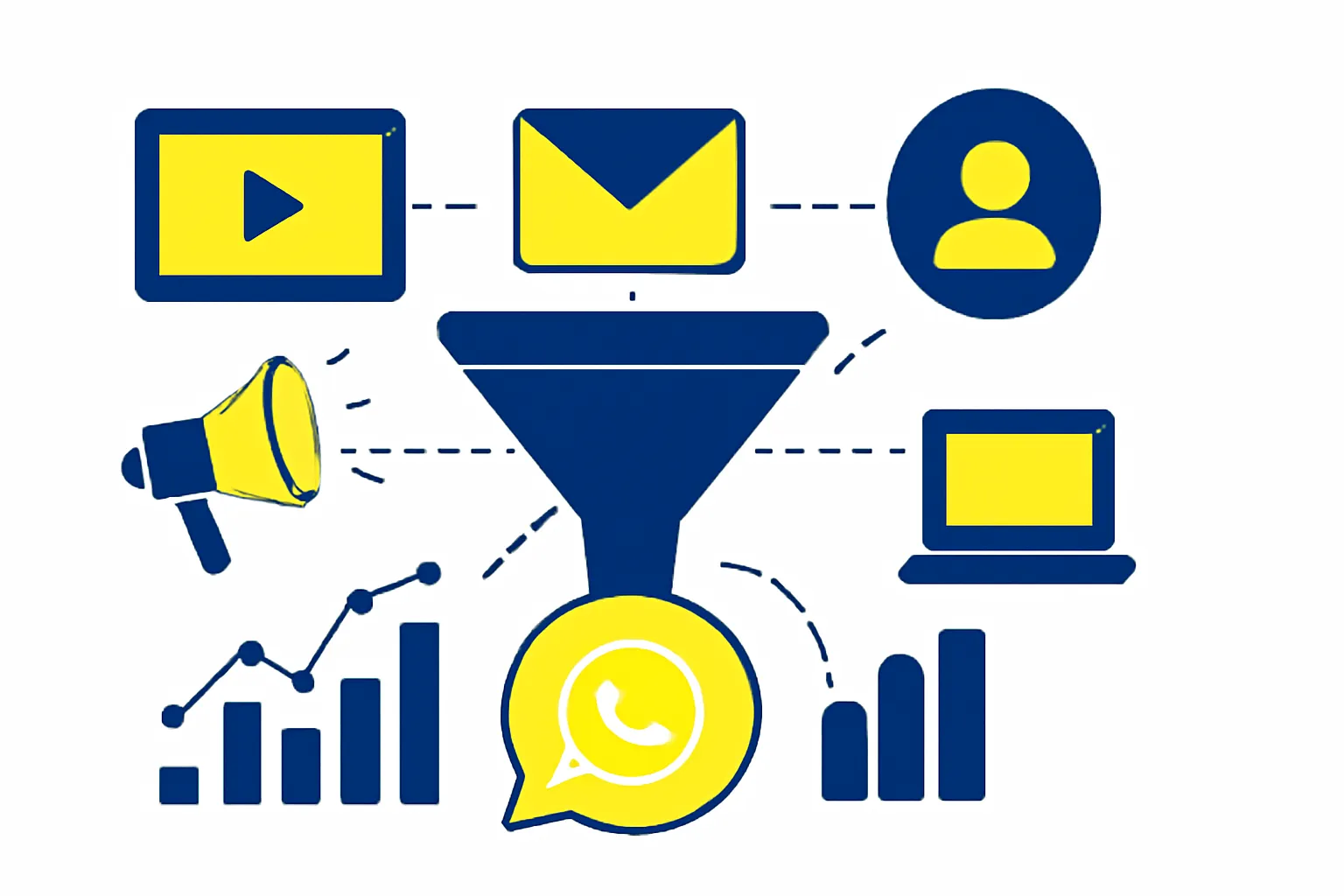
Key takeaways
- Tracking the source of WhatsApp chats helps optimize marketing spend and improve campaign targeting.
- Unique WhatsApp links with prefilled messages and distinct parameters enable channel-specific tracking.
- Click tracking reveals user engagement but does not confirm message sending.
- Integrating WhatsApp link data with overall marketing analytics guides budget allocation.
- Consistent naming, link testing, and team training ensure accurate and actionable tracking.
Understanding the Importance of Tracking Marketing Channels for WhatsApp
Knowing which marketing channels generate WhatsApp chats is crucial for optimizing marketing efforts. Businesses often use social media, email campaigns, flyers, and websites to encourage customers to initiate WhatsApp conversations. However, attributing chats to specific campaigns can be challenging because WhatsApp itself does not provide built-in analytics to trace message origins. Without this data, it becomes difficult to understand which channels are most effective or justify marketing investments.
Tracking WhatsApp chats by source allows businesses to answer key questions such as: Which campaign brought the most customers? What time of day do users engage the most? Are offline materials like flyers driving meaningful traffic? These insights help in refining marketing strategies, reallocating budgets to high-performing channels, and improving overall campaign ROI.
Setting Up Unique WhatsApp Links for Each Marketing Channel
To track WhatsApp chats by channel, create unique WhatsApp links tailored to each campaign. These links can include prefilled messages that align with the campaign’s goals, such as "Hi, I’m interested in your Diwali offer." Adding unique URL parameters or using different short links for social media, email, print flyers, or websites helps distinguish the source of each chat.
How to Create Effective WhatsApp Links
- Choose the WhatsApp number: Use the business phone number that customers should contact.
- Write a prefilled message: Craft a message that matches the campaign context, for example, "Hello, I saw your Black Friday deal and want to know more."
- Generate the link: Use a platform like FY9 to create a WhatsApp link that includes the prefilled message. FY9 ensures correct encoding of messages, including emojis and different languages.
- Add tracking parameters: Append unique identifiers or use separate short links for each channel (e.g., social media, email, flyers).
- Convert to QR codes if needed: For offline use, transform the WhatsApp link into a QR code that customers can scan easily.
Short links and QR codes are especially useful for offline materials like flyers or in-store displays, allowing customers to scan or click easily. For example, a café in Pune running a Diwali promotion can generate a WhatsApp link with a prefilled message and convert it into a QR code to place on tables and posters. This enables the café to track how many customers initiate chats from each marketing channel. By analyzing which QR codes are scanned most frequently, the café can identify the most effective placement of promotional materials.
Implementing Click Tracking to Analyze Channel Performance
Click tracking on WhatsApp links provides insights into how many users tap through from each marketing source. This data can be analyzed by day, device type, and source to identify high-performing channels and optimal times for engagement. While click tracking does not guarantee that a message was sent, it indicates user interest and interaction with the marketing material.
Using Click Tracking Effectively
- Monitor daily trends: Track how clicks fluctuate day-to-day to identify peak engagement periods.
- Segment by device: Understand if users predominantly click from mobile, desktop, or tablets to tailor user experience.
- Compare channels: Evaluate which marketing channels generate the most clicks and focus efforts accordingly.
Using a platform that supports click tracking, such as the WhatsApp links feature on FY9, allows businesses to monitor these metrics effectively. FY9 counts clicks on your WhatsApp link, showing detailed analytics by source and device. This helps prioritize channels that deliver more traffic and refine messaging to improve conversion rates.
Integrating Tracking Data with Overall Marketing Analytics
Combining WhatsApp link click data with other marketing metrics creates a comprehensive view of campaign performance. This integration helps marketers allocate budgets more efficiently by focusing on channels that generate meaningful engagement.
For example, a business can correlate WhatsApp link clicks with website traffic, social media engagement, and sales data to understand the full customer journey. This holistic approach enables better decision-making and highlights the channels that truly drive conversions.
Regularly reviewing and updating WhatsApp links ensures tracking remains accurate, especially when campaigns evolve or new channels are added. Consistent monitoring also allows for timely adjustments, improving the return on marketing investment.
Best Practices for Maintaining Accurate and Actionable Tracking
Maintaining accurate tracking requires consistent naming conventions for links and campaigns, which simplifies data analysis and reporting. For instance, using a structured format like campaign_channel_date for link names helps quickly identify and compare data.
Testing all WhatsApp links before deployment helps avoid broken or misdirected URLs that could frustrate potential customers. This includes verifying that the phone number is correct, the prefilled message appears as intended, and the short link or QR code resolves properly.
Educating team members on the importance of tracking and how to interpret data ensures everyone understands how their efforts contribute to marketing goals. This shared knowledge supports better decision-making and continuous improvement. Regular training sessions and documentation can reinforce best practices.
What to Do Next
Start by identifying your key marketing channels and creating unique WhatsApp links with prefilled messages for each. Use short links and QR codes to distribute these links across online and offline materials. Implement click tracking to gather data on user engagement, then integrate this data with your overall marketing analytics. Regularly review your tracking setup, test links, and train your team to maintain accuracy. Tools like FY9’s WhatsApp links and short links can simplify this process and provide actionable insights.
Frequently asked questions
Why is it important to track which marketing channels drive WhatsApp chats?
Tracking helps identify which channels generate the most customer engagement, allowing businesses to optimize marketing spend and improve campaign effectiveness.
How can I create WhatsApp links that are unique to each marketing channel?
Use WhatsApp links with prefilled messages tailored to each campaign and add unique URL parameters or generate separate short links for different channels.
Can click tracking on WhatsApp links tell me if a message was actually sent?
No, click tracking shows how many users tapped the link but cannot confirm whether they sent a message inside WhatsApp.
What are some best practices for maintaining accurate tracking data?
Use consistent naming conventions, test all links before use, and educate your team on the importance of tracking and interpreting data.
How do QR codes help in tracking WhatsApp chats from offline marketing?
QR codes linked to unique WhatsApp links allow customers to easily scan and initiate chats, enabling tracking of offline channel performance.